From Seed to Harvest: Practical Advice for Small-Scale Farmers
Small-scale farming is often described as a labor of love, and anyone who has spent time working the land knows exactly why. There’s something deeply rewarding about planting a tiny seed, nurturing it through weeks or months of growth, and finally harvesting a crop you’ve worked hard to produce.
But successful farming isn’t simply a matter of planting seeds and hoping for the best. Every stage of the growing process—from planning and soil preparation to irrigation and harvesting—plays a critical role in determining the final outcome.
Over the years, one lesson has remained constant: good farming decisions made early in the season often determine success at harvest time. Whether you’re growing vegetables, grains, fruits, or other crops, understanding the entire production cycle can help improve yields, reduce losses, and increase profitability.
This guide walks through practical advice that small-scale farmers can apply from seed to harvest.
Table of Contents
- Planning Before Planting
- Choosing the Right Seeds
- Preparing the Soil for Success
- Planting Techniques That Improve Germination
- Effective Water Management
- Maintaining Soil Fertility
- Managing Weeds, Pests, and Diseases
- Monitoring Crop Growth
- Harvesting at the Right Time
- Maximizing Farm Productivity
- Frequently Asked Questions
- Conclusion
Planning Before Planting
Many farming challenges can be avoided long before seeds touch the soil. Planning is often the difference between a productive season and one filled with preventable mistakes.
Before planting, consider:
- Your local climate and rainfall patterns
- Available land and water resources
- Market demand for crops
- Labor requirements
- Input costs and expected returns
Successful farmers don’t just grow crops—they grow crops that are suitable for their environment and profitable for their markChoosing the Right Seeds
Every harvest begins with seed selection. Even the best management practices cannot fully compensate for poor-quality seeds.
When selecting seeds:
- Choose varieties suited to your climate
- Purchase from reputable suppliers
- Select disease-resistant varieties when available
- Consider market preferences
- Check germination rates
Many experienced farmers have learned the hard way that saving money on poor-quality seeds often leads to larger losses later in the season.
Hybrid vs. Open-Pollinated Seeds
Hybrid varieties often offer higher yields and better disease resistance. Open-pollinated varieties may allow farmers to save seeds for future planting seasons.
The best choice depends on your farming goals and budget.
Preparing the Soil for Success
Healthy soil forms the foundation of every successful farm. Crops can only perform as well as the soil supporting them.
Before planting:
- Remove weeds and debris
- Break up compacted soil
- Incorporate organic matter
- Test soil pH and nutrient levels
- Improve drainage where necessary
Adding compost or well-rotted manure can significantly improve soil structure, water retention, and nutrient availability. Healthy soil also supports beneficial microorganisms that contribute to long-term productivity.
The Value of Soil Testing
Soil testing helps identify nutrient deficiencies before they affect crop performance. Rather than guessing which fertilizers to apply, farmers can make informed decisions based on actual soil conditions.
Planting Techniques That Improve Germination
Even high-quality seeds can fail if planted incorrectly.
Some important planting guidelines include:
- Plant at the recommended depth
- Maintain proper spacing
- Plant during suitable weather conditions
- Avoid excessively wet soils
- Follow crop-specific recommendations
Proper spacing allows crops to access sunlight, water, and nutrients without excessive competition. It also improves airflow, helping reduce disease pressure.
Direct Seeding vs. Transplanting
Some crops perform best when seeded directly into the field, while others benefit from being started in nurseries and later transplanted.
Vegetables such as carrots and beans are commonly direct-seeded, while tomatoes and peppers are often transplanted after nursery establishment.
Effective Water Management
Water is one of the most critical resources on any farm.
Too little water reduces yields. Too much water can encourage disease and root problems.
Good irrigation practices include:
- Watering deeply rather than frequently
- Irrigating during cooler parts of the day
- Using mulch to conserve moisture
- Monitoring soil moisture regularly
- Repairing leaks promptly
Drip irrigation systems can be particularly effective for small-scale farmers because they deliver water directly to plant roots while minimizing waste.
Maintaining Soil Fertility Throughout the Season
Crop growth depends heavily on nutrient availability.
Plants require essential nutrients such as nitrogen, phosphorus, and potassium, along with various micronutrients.
Effective fertility management may include:
- Compost applications
- Animal manure
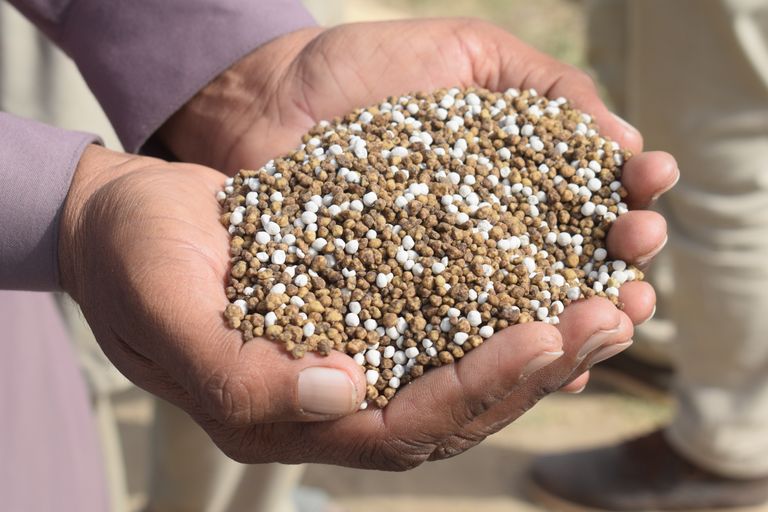
- Organic fertilizers
- Cover crops
- Balanced commercial fertilizers
Applying nutrients based on soil test results helps avoid both deficiencies and unnecessary expenses.
Crop Rotation Matters
Growing the same crop repeatedly in the same location can increase disease pressure and deplete specific nutrients.
Rotating crops helps maintain soil health and reduces pest buildup.
Managing Weeds, Pests, and Diseases
Every farmer eventually faces challenges from weeds, insects, and plant diseases.
The key is early intervention.
Weed Management
Weeds compete directly with crops for water, nutrients, and sunlight.
Control strategies include:
- Mulching
- Hand weeding
- Mechanical cultivation
- Cover cropping
Pest Control
Regular field inspections help identify pest problems before they become severe.
Integrated pest management approaches may include:
- Beneficial insects
- Physical barriers
- Crop rotation
- Targeted pesticide use when necessary
Monitoring fields consistently is often more effective than reacting after significant damage occurs.
Monitoring Crop Growth
Successful farmers spend time observing their fields.
Regular inspections can reveal:
- Nutrient deficiencies
- Disease symptoms
- Pest activity
- Irrigation problems
- Growth abnormalities
Small issues are generally easier and less expensive to correct when detected early.
Keeping farm records can also help identify patterns and improve future decision-making.
Harvesting at the Right Time
Harvest timing has a major impact on crop quality, market value, and storage life.
Harvesting too early may reduce yield and quality. Waiting too long can result in losses due to spoilage, pests, or declining product quality.
Best practices include:
- Harvest during cooler hours
- Use clean tools
- Handle produce carefully
- Sort and grade products promptly
- Store crops appropriately
Many vegetables maintain better quality when harvested during the early morning hours.
Maximizing Farm Productivity and Profitability
Yield is important, but profitability matters just as much.
Small-scale farmers can improve profits by:
- Reducing unnecessary input costs
- Diversifying crops
- Selling directly to consumers
- Adding value through processing
- Improving post-harvest handling
Simple improvements in efficiency often generate larger profits than expensive investments.
Many successful small farmers focus on producing high-quality products consistently rather than simply maximizing production volume.
Actionable Takeaways for Small Farmers
- Test your soil before planting.
- Invest in quality seeds.
- Use compost regularly.
- Monitor crops weekly.
- Practice crop rotation.
- Control weeds early.
- Keep accurate farm records.
- Harvest at peak maturity.
- Focus on both yield and profitability.
Frequently Asked Questions
What is the most important factor in successful farming?
Healthy soil is often considered the foundation of successful crop production because it directly influences plant growth, nutrient availability, and water retention.
Should small-scale farmers conduct soil tests?
Yes. Soil testing provides valuable information about nutrient levels and pH, helping farmers make better management decisions.
How can I improve yields on a small farm?
Use quality seeds, improve soil fertility, manage irrigation effectively, monitor crops regularly, and control pests before they become serious problems.
Why is crop rotation important?
Crop rotation helps maintain soil fertility, reduces pest buildup, and minimizes disease pressure over time.
What irrigation method is best for small farms?
Drip irrigation is often highly effective because it conserves water while delivering moisture directly to plant roots.
Conclusion
Every successful harvest begins long before crops emerge from the soil. The choices made during planning, seed selection, soil preparation, planting, irrigation, and crop management all influence the final outcome.
For small-scale farmers, success rarely comes from a single breakthrough. More often, it comes from consistently applying sound farming practices throughout the season.
By focusing on soil health, quality inputs, efficient resource use, and careful crop monitoring, farmers can increase productivity while building a more sustainable and profitable operation.
Remember, farming is a journey of continuous learning. Each season offers valuable lessons that can help improve the next harvest. The goal isn’t perfection—it’s steady improvement from one growing season to the next.