Organic Crop Rotation: The Ultimate Guide to Boosting Yields and Soil Health Naturally
Imagine eating the exact same meal, every single day, for years on end. Not only would you get incredibly bored, but your body would eventually suffer from severe nutritional deficiencies. Your soil feels the exact same way when it is forced to grow the same crop season after season. In industrial agriculture, this repetitive cycle is known as monoculture, and it acts like a vacuum cleaner, aggressively sucking specific nutrients out of the earth while throwing the entire local ecosystem out of balance.
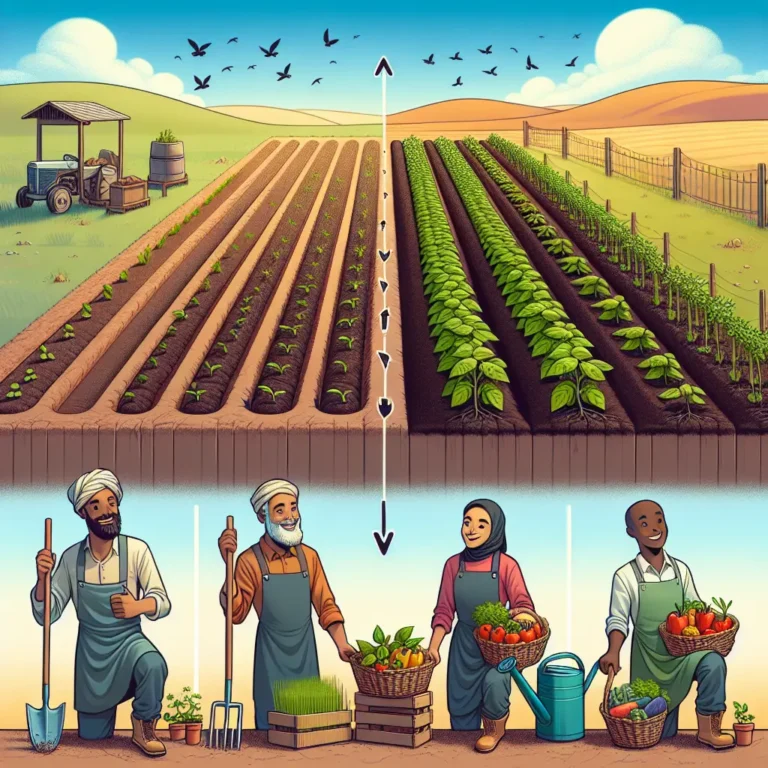
To fix this, large-scale commercial farming relies heavily on synthetic fertilizers, harsh chemical pesticides, and heavy interventions to keep plants alive. But nature already provided a perfect, self-sustaining solution thousands of years ago: organic crop rotation. By deliberately changing the types of crops grown in a specific field each season, you aren’t just growing food—you are actively feeding the living ecosystem beneath your feet.
Whether you manage a sprawling multi-acre organic farm, a bustling market garden, or a small backyard raised-bed setup, understanding the science and strategy behind crop sequencing is your ticket to better harvests. This ultimate guide breaks down the core mechanics of traditional organic crop rotation, explores its profound long-term benefits, and gives you a practical, step-by-step roadmap to build a highly productive rotation plan that works flawlessly for your unique growing space.
Table of Contents
- What Exactly is Organic Crop Rotation?
- 1. Maximizing Soil Fertility and Nutrient Balance
- 2. Breaking Pest and Disease Lifecycles Naturally
- 3. Smothering Weeds Without Chemical Herbicides
- 4. Improving Soil Structure and Preventing Erosion
- The Golden Rule: Understanding Crop Families
- How to Design a Highly Productive Four-Year Rotation Plan
- Quick Checklist: Actionable Takeaways for Success
- Frequently Asked Questions (FAQs)
- Conclusion: Partnering with Nature for Long-Term Abundance
What Exactly is Organic Crop Rotation?
At its absolute simplest, organic crop rotation is the practice of growing a series of completely different plant families in the exact same plot of land across a distinct sequence of growing seasons. Instead of leaving your soil’s health up to luck, you follow a strategic order so that each upcoming crop naturally supports, balances, or repairs the soil left behind by the previous harvest.
In a truly organic system, we don’t view the soil as an empty, sterile medium meant to hold up a plant’s roots while we inject it with liquid synthetic chemicals. Instead, we view the soil as a dynamic, living organism packed with billions of beneficial bacteria, fungi, and earthworms. Crop rotation behaves like a natural multi-vitamin and immune system defense mechanism combined, keeping this underground biological network incredibly diverse, active, and robust.
1. Maximizing Soil Fertility and Nutrient Balance
Different plants have widely varying nutritional appetites. For example, heavy-feeding leafy greens like spinach, kale, and sweet corn require massive amounts of nitrogen to develop their bright green leaves and stalks. If you plant corn in the exact same dirt three years in a row, the nitrogen reserves in that soil will be completely obliterated, leaving the earth pale, spent, and exhausted.
However, nature has a beautiful built-in counter-balance. Legumes—such as peas, beans, alfalfa, and clover—form a fascinating symbiotic relationship with specialized soil bacteria known as Rhizobium. These bacteria pull raw nitrogen gas directly out of the atmosphere and convert it into a water-soluble, plant-available form, storing it safely in tiny nodules on the plant’s root system.
When you follow a heavy-feeding crop with a nitrogen-fixing legume, you are effectively giving your soil a well-deserved rest while refilling its nutrient gas tank completely free of charge. By tracking this balance across your entire farm or garden, you keep nutrient levels consistently stable without ever having to purchase expensive, artificial inputs.
2. Breaking Pest and Disease Lifecycles Naturally
Pests and plant diseases are surprisingly lazy and highly specialized. Many harmful insects, damaging fungi, and destructive soil nematodes prefer to feed on one specific family of plants. If you plant potatoes in the exact same garden bed every summer, the local Colorado potato beetle population is going to throw a party. They will lay their eggs in the soil, knowing with absolute certainty that when their offspring hatch the following spring, an all-you-can-eat potato buffet will be waiting right above them.
Similarly, devastating soil-borne fungal pathogens like tomato blight or clubroot in brassicas can easily overwinter in the soil, slowly building up their strength and numbers with each passing year until your crops completely succumb to disease.
Organic crop rotation completely shatters this destructive cycle. When those specialized insect eggs hatch or fungal spores wake up in the spring, and they discover that you’ve replaced their favorite host plant with a completely unpalatable, unrelated crop—like switching out tomatoes for carrots or onions—they are suddenly left with absolutely nothing to eat. Cut off from their primary food supply, the pest and disease populations naturally crash and die out before they can ever reach damaging thresholds.
3. Smothering Weeds Without Chemical Herbicides
Dealing with weeds is easily one of the most frustrating, back-breaking aspects of running an organic operation. Without the option to spray chemical weed killers, organic growers have to think creatively. Fortunately, strategic crop rotation serves as an incredibly effective, completely natural weed suppression system.
Weeds thrive when they are given consistent, predictable conditions. Slow-growing, widely spaced crops like onions or carrots provide ample open soil and bright sunlight, allowing opportunistic weed seeds to germinate and run wild. If you grow these sensitive crops continuously, you will quickly find yourself fighting a losing battle against weeds.
To combat this, you can rotate those slow-growing crops with dense, fast-growing “smother crops” or aggressive cover crops like buckwheat, winter rye, or sweet potatoes. These vigorous plants grow rapidly, quickly casting a deep, dark shadow over the ground and hogging available water and space. By completely cutting off sunlight to the soil surface, they effectively choke out weeds before they can ever go to seed, leaving the plot remarkably clean and manageable for the next season’s planting.
4. Improving Soil Structure and Preventing Erosion
When we look at plants, we usually focus on what’s happening above the surface. But underground, root architectures vary wildly, and these differences play an enormous role in maintaining high-quality soil structure.
Shallow-rooted plants, such as lettuce and radishes, only feed on and stabilize the very top few inches of the topsoil. Meanwhile, deep-rooting crops like daikon radishes, alfalfa, and winter squash send powerful roots pushing down several feet into the earth. These deep roots act like natural biological jackhammers, shattering tough, compacted clay layers, creating channels for air and water movement, and pulling up valuable trace minerals from deep underground deposits.
Furthermore, keeping the ground continuously covered by rotating through diverse crops and winter cover crops prevents heavy seasonal rains from washing your precious topsoil away. It also stops harsh winds from blowing it into the atmosphere. A highly diverse rotation ensures that your soil remains fluffy, perfectly aerated, highly absorbent, and intensely resilient against both severe droughts and unexpected flooding.
The Golden Rule: Understanding Crop Families
To design an effective organic crop rotation plan, you must stop thinking about individual vegetables and start thinking in terms of botanical families. Rotating tomatoes with peppers and eggplants won’t do you any good because all three belong to the exact same family and share the same vulnerabilities.
Here are the four primary crop families you need to know inside and out:
- The Nightshades (Solanaceae): Tomatoes, potatoes, peppers, and eggplants. These are notorious heavy feeders that require rich soil and are highly susceptible to persistent soil-borne fungal blights.
- The Legumes (Fabaceae): Peas, beans, lentils, clover, and vetch. These are your foundational soil builders. They work tirelessly with soil bacteria to fix atmospheric nitrogen and restore worn-out earth.
- The Brassicas (Brassicaceae): Broccoli, cabbage, kale, cauliflower, brussels sprouts, and radishes. These crops love nitrogen and potassium, but they have a high risk of attracting root-damaging pests like clubroot if grown repeatedly in the same area.
- The Alliums & Roots (Amaryllidaceae / Apiaceae): Onions, garlic, leeks, carrots, parsnips, and celery. These plants are generally light feeders that excel at scavenging for nutrients deep within the soil profile, making them excellent choices to follow heavier feeding crops.
How to Design a Highly Productive Four-Year Rotation Plan
Now that you know the players, let’s look at how to arrange them into a highly productive, self-sustaining four-year cycle. This classic model is incredibly popular because it ensures that no crop family returns to the exact same plot of land for at least four full years, keeping pests completely confused and soil nutrients balanced perfectly.
Year 1: Legumes (The Soil Builders)
Start your rotation cycle with nitrogen-fixing peas or beans. As they grow, they will infuse the surrounding soil with fresh, plant-available nitrogen. Enjoy your harvest, and when the season ends, till or chop the plant residue directly back into the ground to allow the accumulated nitrogen nodules to break down and enrich the earth.
Year 2: Brassicas or Leafy Greens (The Heavy Feeders)
Your soil is now fully charged with fresh nitrogen, making it the perfect home for hungry brassicas like broccoli, cabbage, or leafy kale. These plants will happily consume the nitrogen left behind by last year’s legumes, resulting in massive, vibrant, and incredibly healthy green growth.
Year 3: Nightshades (The Fruit Producers)
Next up are your tomatoes, peppers, or eggplants. While they still require a moderate amount of nitrogen, their primary focus shifts toward phosphorus and potassium to develop strong blooms and heavy fruit. They will thrive on the remaining nutrients while giving the soil a break from brassica-specific pests.
Year 4: Roots and Alliums (The Light Feeders)
By year four, the soil’s nitrogen levels will be relatively low, which is exactly what root crops like carrots and parsnips prefer. Too much nitrogen causes carrots to grow hairy and split into weird shapes instead of sending down straight, sweet roots. Onions and garlic also do beautifully here, actively cleaning up the soil and prepping it to restart the cycle with legumes next spring.
Quick Checklist: Actionable Takeaways for Success
Ready to transform your growing space with organic crop rotation? Keep this handy operational checklist in mind as you begin planning your upcoming seasons:
- Keep detailed maps: Memory fades quickly. Always draw a clear map of your garden or farm layout every single season so you know exactly what grew where.
- Group by family: Never rotate plants within the same botanical family; always transition to a completely different group next season.
- Incorporate cover crops: Use cover crops like clover or winter rye during transition periods to protect the soil from erosion and boost organic matter.
- Manage your weeds early: Follow slow-growing root crops with fast, dense leafy greens or cover crops to naturally smother emerging weed seeds.
- Monitor and adjust: If a specific plot suffers an unexpected pest outbreak, extend its rotation time out to 5 or 6 years to ensure the pathogens completely clear out.
Frequently Asked Questions (FAQs)
Can I practice crop rotation if I only have a very small backyard garden?
Absolutely! You don’t need a massive commercial farm to reap the benefits of organic crop rotation. If you grow in raised beds, treat each individual bed as a distinct field and rotate your plant families among them each year. If you only have one single garden bed, simply divide it into four smaller quadrants and rotate your crop families clockwise through the quadrants each season.
What happens if I accidentally mess up my rotation sequence?
Don’t panic! Crop rotation is an excellent guideline, not a rigid prison sentence. If you accidentally plant a tomato where a pepper grew last year, your garden won’t instantly implode. Just keep a close eye out for early signs of pests or disease, ensure you top dress the area with high-quality organic compost to replenish lost nutrients, and get back on track with your planned sequence the following season.
Do perennial crops like asparagus or berries fit into a rotation plan?
Perennial crops—such as asparagus, strawberries, raspberries, and rhubarb—stay planted in the exact same spot for many years, so they cannot be included in your standard annual crop rotation cycle. Instead, dedicate a permanent, undisturbed border or specific set of beds solely to your perennials, and run your rotation plan exclusively on the beds dedicated to your annual vegetables.
How do cover crops fit into a standard organic rotation?
Cover crops act as incredible boosters within any rotation plan. You can easily insert them between your main cash crops. For example, after harvesting your Year 3 nightshades in late summer, you can immediately sow a cold-hardy cover crop like winter wheat or hairy vetch. This protects your soil all winter long, and when you chop it down in early spring, it adds fantastic biomass right before you plant your Year 4 root crops.
Conclusion: Partnering with Nature for Long-Term Abundance
At its heart, organic crop rotation is a beautiful reminder that farming and gardening are not about fighting against the natural world, but rather learning to dance with it. When we step away from the short-sighted mindset of monoculture and chemical dependencies, we open the door to a self-sustaining system that grows stronger, healthier, and more resilient with each passing year.
By implementing a simple rotation plan, you are making a profound, long-term investment in the health of your soil, the quality of your food, and the preservation of your local environment. It requires a little bit of upfront planning and a dash of patience, but the rewards—bountiful harvests, chemical-free pest control, and rich, dark, fertile earth—are absolutely worth the effort.
Are you ready to design your first rotation cycle, or do you have a favorite crop sequence that works wonders in your soil? Let’s talk shop in the comments below—I read every single one and would love to help you troubleshoot your layout!