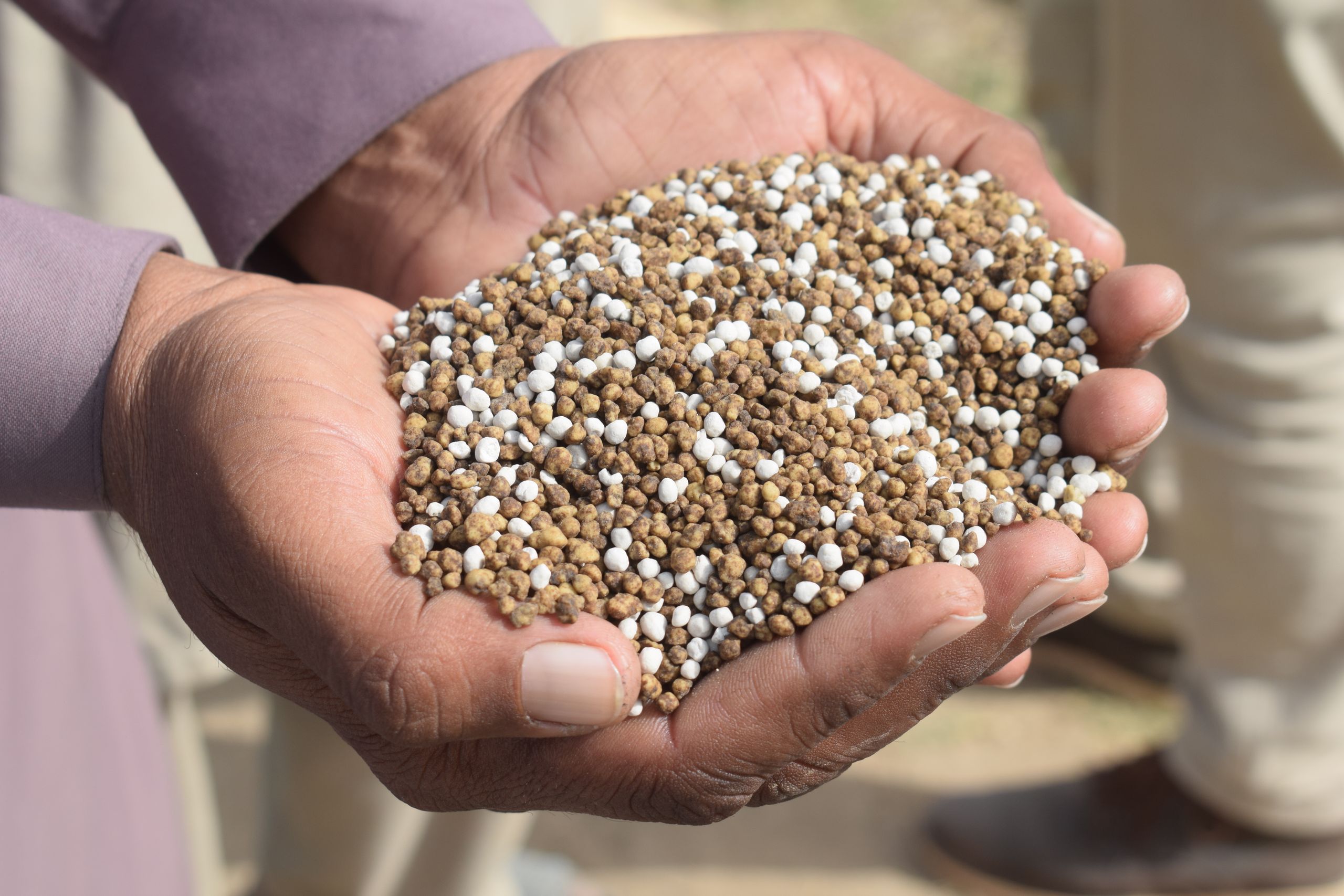
Best Fertilizers for Maize, Cassava, and Vegetables in Africa
Farming in Africa is one of the most rewarding yet challenging ventures an entrepreneur or smallholder can undertake. While our soils possess incredible potential, decades of continuous cultivation, weathering, and intense tropical climates have depleted vital nutrients. If you are growing maize, cassava, or high-value vegetables, relying purely on native soil fertility is a recipe for low yields and financial frustration.
To move from subsistence farming to a highly profitable commercial enterprise, understanding exact crop nutrition is non-negotiable. Different crops have wildly diverse nutritional profiles. What feeds a bumper crop of maize could completely ruin a cassava harvest or burn delicate vegetable leaves. This comprehensive guide breaks down the absolute best fertilizers, application schedules, and strategic practices tailored specifically for African soils to help you maximize your harvest.
Table of Contents
- 1. Understanding the African Soil Landscape
- 2. Best Fertilizers for Maize (The Heavy Feeder)
- 3. Best Fertilizers for Cassava (The Root Builder)
- 4. Best Fertilizers for Vegetables (The Fast Earners)
- 5. The Power of Integrated Soil Fertility Management (ISFM)
- 6. Common Fertilizer Mistakes African Farmers Must Avoid
- 7. Frequently Asked Questions (FAQs)
1. Understanding the African Soil Landscape
Before buying a single bag of fertilizer, it is crucial to understand what we are working with. African soils vary dramatically by region, but two primary challenges dominate the landscape: highly weathered acidic soils (common in the humid forest zones of Central and West Africa) and sandy, moisture-depleted soils (frequent in the sub-Saharan savannahs).
Continuous farming without adequate nutrient replenishment has led to widespread nutrient mining. When you harvest your crops, you remove nitrogen (N), phosphorus (P), and potassium (K) from the land. If you do not replace them systematically, your yields will decline year after year. Furthermore, acidic soils lock up phosphorus, making it unavailable to plants even if it is present in the ground. This is why choosing the right fertilizer type and applying it at the correct growth stage is a game-changer.
2. Best Fertilizers for Maize (The Heavy Feeder)
Maize (corn) is a notoriously hungry crop. It requires large amounts of nutrients in a relatively short window, particularly nitrogen and phosphorus. Without proper fertilization, maize stalks remain stunted, leaves turn yellow, and cobs fail to fill out.
The Ideal NPK Formulations for Maize
For basal application (at or shortly after planting), balanced or phosphorus-heavy NPK blends are vital to stimulate early root development. Excellent options widely available across Africa include:
- NPK 15-15-15: A reliable, multi-purpose baseline compound suitable for balanced soil types.
- NPK 20-10-10 or 23-10-5: Ideal for highly weathered soils requiring a powerful initial boost of nitrogen to drive early vegetative growth.
- NPK 15-20-20 + 0.7 Zn: Regionally specific blends (such as those optimized in West Africa) that include Zinc, an essential micronutrient that prevents maize leaf bleaching and improves grain weight.
Top-Dressing and Nitrogen Boosters
Maize cannot survive on basal fertilizer alone. Around 3 to 5 weeks after planting—when the crop reaches knee-high stage (V4 to V6 growth phase)—it undergoes a massive growth spurt. This is when you must apply a nitrogen top-dressing.
- Urea (46% Nitrogen): The most cost-effective and powerful nitrogen source. It must be buried or incorporated into moist soil immediately to avoid volatile gas loss into the atmosphere.
- Calcium Ammonium Nitrate (CAN): An excellent alternative to Urea, especially in highly acidic soils. CAN supplies calcium and does not further acidify the soil profile.
Maize Application Schedule and Quantities
For an average medium-fertility soil targeting a high commercial yield, use the following framework per hectare:
- At Planting (Basal): Apply 250–350 kg of NPK 15-15-15 or regional equivalents. Place the fertilizer in a hole 5 cm deep and 5 cm away from the seed to prevent chemical burning.
- 3–4 Weeks Post-Planting (First Top-Dress): Apply 50–100 kg of Urea or CAN per hectare. Side-dress the fertilizer along the crop rows and cover it with soil.
- 5–6 Weeks Post-Planting (Second Top-Dress): Apply an additional 50 kg of Urea just before the tasseling phase to maximize cob size and grain fill.
3. Best Fertilizers for Cassava (The Root Builder)
There is a dangerous, lingering myth that cassava does not need fertilizer. While cassava can survive in depleted, marginal soils where other crops fail, it does so by draining the remaining soil reserves. If you want to move from a baseline harvest of 8–10 tonnes per hectare to a highly profitable commercial yield of 25–40 tonnes per hectare, systematic fertilization is mandatory.
The Nutritional Shift: Prioritizing Potassium
Unlike maize, cassava has a very different nutritional curve. Early in its lifecycle (months 1 to 3), it needs nitrogen and phosphorus to build its canopy and root architecture. However, from month 4 onward, the plant transitions into the “root bulking” phase. During bulking, cassava requires massive amounts of Potassium (K) to synthesize starch and fill out the underground tubers.
Top Fertilizer Choices for Cassava
- NPK 12-12-17 or 15-15-15: High-potassium formulations like 12-12-17 are gold standards for root and tuber crops. If only NPK 15-15-15 is available, it must be supplemented later with a pure potassium source.
- Muriate of Potash (MOP / Potassium Chloride): A straight fertilizer used to provide concentrated potassium during the peak root bulking stage.
- Regional Tailored Blends (e.g., NPK 17-10-10): Designed for specific ecological zones where nitrogen is needed to maintain a healthy leaf canopy throughout long dry spells.
Cassava Application Schedule and Quantities
Because cassava is a long-season crop (harvested 9 to 14 months after planting), timing your applications with rainfall is crucial for success.
- Step 1 (2–6 Weeks After Planting): Once the cuttings have sprouted and established a stable root system, apply 300–400 kg per hectare of NPK 15-15-15 or NPK 12-12-17. Ring-apply or side-dress the fertilizer 15 cm away from the stem base at a depth of 5–10 cm to avoid damaging the young shoots.
- Step 2 (10–12 Weeks After Planting): Top-dress with 100 kg of Muriate of Potash (MOP) combined with roughly 50 kg of Urea per hectare. This gives the plant a late-stage nitrogen canopy boost while providing the exact potassium required for aggressive tuber bulking.
4. Best Fertilizers for Vegetables (The Fast Earners)
Vegetables—such as tomatoes, peppers, onions, cabbage, and leafy greens (amaranth, fluted pumpkin/ugu)—are high-value, fast-cycle crops. Because they are harvested quickly, they require highly soluble, fast-acting fertilizers that can be absorbed immediately by delicate root networks.
Leafy Greens vs. Fruiting Vegetables
To successfully fertilize vegetables, you must divide them into two functional categories:
- Leafy Vegetables (Cabbage, Lettuce, Spinach, Ugu): These crops require continuous, dominant streams of Nitrogen to keep leaves crisp, vibrant green, and fast-growing. Urea, Calcium Ammonium Nitrate (CAN), and high-nitrogen foliar sprays are the premier choices here.
- Fruiting Vegetables (Tomatoes, Peppers, Eggplants): These require a strict transitional nutritional strategy. Too much nitrogen will cause massive, beautiful green bushes that produce absolutely zero fruit. They need Phosphorus early on for flowering, followed by high Potassium and Calcium to develop thick-walled, rot-free fruits.
Top Commercial Vegetable Fertilizers
- NPK 15-15-15 & NPK 20-20-20: Excellent as basal treatments mixed thoroughly into nursery beds or transplanting holes.
- Potassium Nitrate and Calcium Nitrate: Highly soluble, premium fertilizers used heavily in drip irrigation (fertigation) or as side-dressings during fruit set. Calcium is mandatory for tomatoes to prevent Blossom End Rot (the black, leathery patches on the bottom of fruits).
- Foliar Micronutrient Sprays: Vegetables are highly sensitive to trace element deficiencies (Boron, Iron, Zinc, Magnesium). Weekly or bi-weekly foliar spraying ensures bright colors and long market shelf life.
Vegetable Application Strategy
- Bed Preparation: Incorporate 10 to 15 tonnes of well-composted poultry or cattle manure per hectare at least two weeks before transplanting. Supplement this with 200 kg of NPK 15-15-15 mixed directly into the topsoil.
- Post-Transplant Maintenance: Every 2 weeks after crop establishment, apply light side-dressings of Calcium Ammonium Nitrate (for leafies) or a high-potassium soluble fertilizer blend (for fruiting varieties) at a rate of 50 kg per hectare, ensuring the granules never directly touch plant stems or leaves.
5. The Power of Integrated Soil Fertility Management (ISFM)
Relying 100% on synthetic chemical fertilizers is an expensive and unsustainable long-term strategy for African farmers. Chemical fertilizers provide immediate food for the plant, but they do nothing to maintain soil health, water retention, or microbial activity. Over time, sole chemical use can lead to soil compaction and increased acidity.
The ultimate strategy is Integrated Soil Fertility Management (ISFM)—combining mineral fertilizers with organic amendments.
Using well-cured poultry manure, cattle dung, or composted agricultural wastes (like cassava peels or tithonia diversifolia) recharges the soil’s organic carbon. This organic matter acts like a sponge, retaining soil moisture during short dry spells and holding onto synthetic fertilizer nutrients, drastically reducing leaching losses. Field trials across sub-Saharan Africa show that blending organic compost with half the standard rate of NPK yields higher, more resilient returns than using chemical inputs alone.
6. Common Fertilizer Mistakes African Farmers Must Avoid
Maximize your return on investment by avoiding these four common management errors:
- Broadcasting Fertilizer on Dry Soil: Fertilizer requires soil moisture to dissolve and become active. Throwing granules onto dry ground during a heatwave results in total loss—either via vaporization into the air or wind drift. Always fertilize right after a good rain or when the soil is visibly moist.
- The “Blanket Application” Trap: Buying fertilizer simply because your neighbor uses it is highly inefficient. Different soil types require different formulations. Whenever possible, utilize low-cost local soil testing kits or digital soil maps to identify your specific regional nutrient deficits.
- Applying Inputs Too Close to the Stem: Placing chemical concentrations directly against a plant’s stem or stalk causes osmotic shock, chemically burning the tissues and opening paths for fungal infections. Always adhere to the 5–15 cm offset rule.
- Neglecting Weed Control: Weeds are incredibly aggressive nutrient thieves. If you apply high-quality NPK to a field overrun with weeds, you are simply paying to grow healthier, stronger weeds that will choke out your primary maize or vegetable crops. Always ensure your fields are meticulously weeded before applying fertilizer.
7. Frequently Asked Questions (FAQs)
Can I use the exact same NPK fertilizer for my maize and my cassava?
You can use NPK 15-15-15 as a starting basal fertilizer for both crops. However, their long-term paths diverge significantly. Maize requires an extra top-dressing heavy in Nitrogen (like Urea) at week 4, while cassava requires a major injection of Potassium (like MOP) around month 3 or 4 to bulk up its roots. Using only maize fertilizer on cassava will result in massive leaf growth but small, stringy, starch-deficient tubers.
What is the absolute best fertilizer to make tomatoes bigger and firmer?
To produce large, firm tomatoes with extended market shelf life, focus heavily on Potassium and Calcium during the flowering and fruiting cycles. Calcium Nitrate combined with a high-potassium soluble NPK formulation (such as NPK 15-5-30) provides the exact structural blocks required for premium fruit development.
Is it safe to apply Urea during a heavy downpour?
No, this is highly discouraged. Applying Urea or any highly soluble granular fertilizer during a heavy, torrential rainstorm leads to immediate surface runoff and deep leaching. The rainwater will wash your expensive nutrients straight into local streams and drainage ditches before the plants can capture them. The ideal time to apply is right after a rainfall when the ground is thoroughly damp but not flooded.
How can I naturally fix nitrogen in my soil without buying chemical bags?
You can naturally boost your soil nitrogen reserves through strategic crop rotation or intercropping with grain legumes. Planting groundnuts, soybeans, cowpeas, or pigeon peas alongside or in rotation with your maize forms a symbiotic relationship with native soil bacteria that captures atmospheric nitrogen and locks it into the soil root zone, significantly cutting your subsequent commercial Urea requirements.
Conclusion
Achieving a highly successful, abundant harvest in Africa comes down to treating your farm like a business and understanding your soil’s unique needs. Maize requires fast, aggressive nitrogen deliveries. Cassava demands patience and a rich baseline supply of potassium. Vegetables require constant, gentle, and highly soluble feeding cycles. By combining these specific mineral inputs with rich organic manures and precise timing, you will protect your soil health, slash waste, and maximize your market profits season after season.