Whether you are searing a perfectly marbled ribeye on a backyard grill or grabbing a quick burger on your lunch break, it is easy to take that piece of beef for granted. But behind every steak lies a massive, highly sophisticated global supply chain. The international beef industry is a multi-billion-dollar powerhouse shaped by geographical advantages, trade agreements, and fluctuating consumer demands.
Global demand for meat has scaled drastically over the past several decades, with global production expanding to meet the appetite of an urbanizing world (Ritchie, n.d.). Beef, while trailing poultry and pork in raw global volume, remains the ultimate premium commodity in the livestock sector.
So, which countries are keeping the world’s grills fired up? Using the most up-to-date data from the USDA Foreign Agricultural Service, we are breaking down the top 10 beef producers in the world, exploring what makes each market unique, and examining how the global landscape is shifting.
Before we dive into the details, use the table of contents below to jump straight to your favorite region.
Table of Contents
- 1. Brazil: The New Export Titan
- 2. United States: The Efficiency Master
- 3. China: The Rapidly Growing Consumer and Producer
- 4. European Union: The Premium Quality Standard
- 5. India: The Carabeef Giant
- 6. Argentina: The Legendary Steak Culture
- 7. Australia: The Premium Global Exporter
- 8. Mexico: The Rising North American Contender
- 9. Russia: The Self-Sufficiency Push
- 10. Canada: The High-Quality Northern Frontier
- Summary Table of Global Production
- Frequently Asked Questions (FAQs)
1. Brazil: The New Export Titan
Annual Production: ~12.61 Million Metric Tons
Global Share: ~20%
Brazil has solidified its place at the absolute pinnacle of global beef production. Possessing a massive commercial cattle herd of well over 190 million heads, Brazil has leverage like no other country when it comes to sheer land availability and favorable tropical climates.
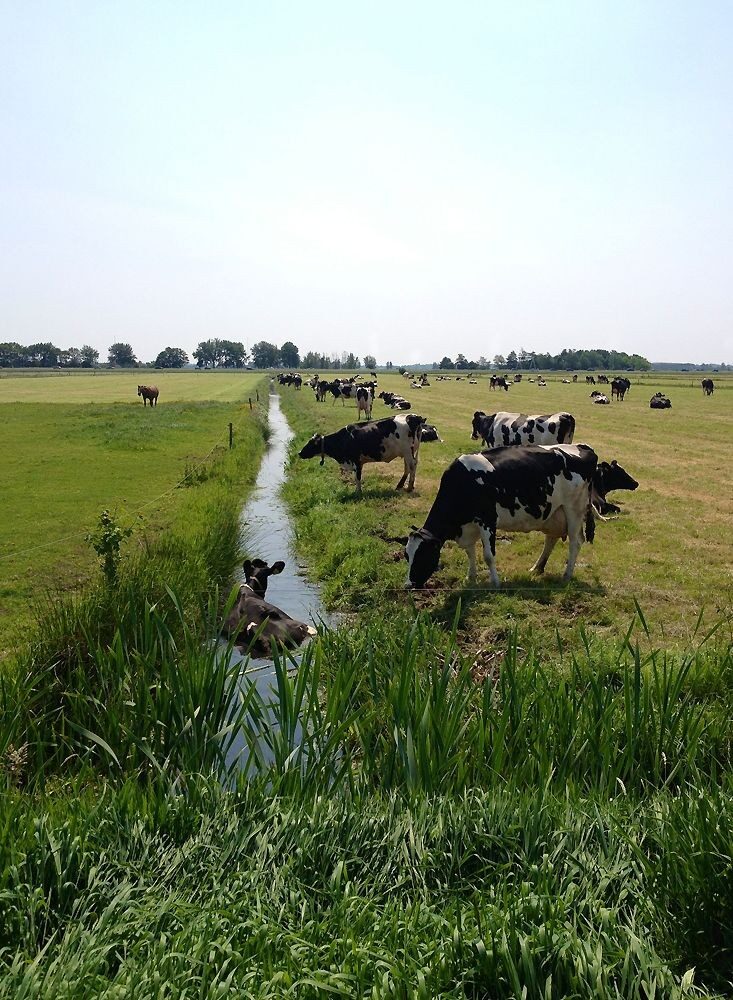
Unlike the grain-finished systems popular in North America, Brazilian cattle are predominantly pasture-raised and grass-fed, relying heavily on breeds like the Nelore. Brazil is also the world’s leading exporter of beef, feeding massive markets across Asia—particularly China—and the Middle East. While the country has faced international pressure over the environmental impacts of pasture expansion in sensitive biomes, its investments in agricultural technology and genetics ensure it remains a dominant powerhouse.
2. United States: The Efficiency Master
Annual Production: ~11.84 Million Metric Tons
Global Share: ~19%
The United States operates what is arguably the most technologically advanced and highly optimized beef production system on earth. While Brazil may edge out the U.S. in total volume and cattle headcount, America leads the world in production efficiency per animal.
The secret lies in the feedlot system. The vast majority of American beef is grain-finished on corn and soy, yielding the highly marbled, tender, and intensely flavored USDA Prime and Choice beef that consumers crave. Interestingly, despite being a top-tier producer and exporter, the U.S. is also one of the world’s largest beef importers. The American appetite for lean ground beef is so massive that the domestic market requires importing leaner grass-fed trim from countries like Australia and New Zealand to blend with its own rich, fatty trimmings.
3. China: The Rapidly Growing Consumer and Producer
Annual Production: ~8.01 Million Metric Tons
Global Share: ~13%
When people think of Chinese agriculture, pork usually comes to mind. However, as China’s middle class expands, dietary preferences are diversifying rapidly. To keep up with this domestic craving, China has ramped up its homegrown beef sector significantly, claiming the third spot globally.
Even with eight million metric tons of domestic production, China cannot produce enough to satisfy its local market. It remains the world’s largest importer of beef, sourcing nearly half of its external supply from Brazil and Argentina. The domestic industry faces structural challenges, including fragmented smallholder farming and limited pastureland, but corporate investments are quickly modernizing the supply chain.
4. European Union: The Premium Quality Standard
Annual Production: ~6.41 Million Metric Tons
Global Share: ~10%
Taken as a single economic bloc, the European Union is a heavyweight in the beef world. Countries like France, Ireland, and Germany lead the charge. European beef production is heavily intertwined with its dairy sector; a significant portion of EU beef originates from dairy herds or crossbreeds.
The EU market distinguishes itself through strict regulatory frameworks. Consumers pay a premium for high animal welfare standards, rigorous traceability from farm to fork, and a total ban on growth hormones. As a result, European beef targets premium domestic markets and high-end international buyers who value strict quality assurance.
5. India: The Carabeef Giant
Annual Production: ~4.68 Million Metric Tons
Global Share: ~8%
India’s inclusion in the top five often catches people off guard. After all, the majority of India’s population practices Hinduism, a religion that regards cows as sacred and forbids their slaughter. So, how does India produce so much “beef”?
The answer lies in carabeef—the meat derived from water buffalo. India boasts an enormous water buffalo population, primarily tied to its massive domestic dairy sector. Once these animals reach the end of their milking cycles, they enter the meat processing chain. Because carabeef is lean and highly affordable, India has carved out a massive export niche, supplying budget-friendly animal protein to developing markets across Southeast Asia, Egypt, and the Middle East.
6. Argentina: The Legendary Steak Culture
Annual Production: ~3.15 Million Metric Tons
Global Share: ~5%
No country matches the romanticism and cultural identity associated with beef quite like Argentina. The country’s vast, fertile Pampas grasslands have provided the perfect backdrop for extensive, grass-fed cattle ranching for centuries.
Argentine beef is globally renowned for its exceptional tenderness and natural flavor, a direct byproduct of cattle roaming and feeding freely on high-quality natural pastures. Aside from being a premier exporter, Argentina boasts some of the highest per capita beef consumption rates in the world. For locals, an asado (traditional barbecue) is not just a meal—it is a weekly social ritual and a point of deep national pride.
7. Australia: The Premium Global Exporter
Annual Production: ~2.89 Million Metric Tons
Global Share: ~5%
Australia may have a relatively small human population, but its livestock footprint is immense. Because its domestic market can only consume a fraction of what it produces, Australia exports roughly 70% of its beef, making it an incredibly influential player in international trade.
Aussie beef producers are highly adaptable. They cater simultaneously to the high-volume U.S. grass-fed lean beef market and the premium, grain-fed, highly marbled Wagyu markets in Japan and South Korea. Australia’s biosecurity standards are among the strictest in the world, allowing it to maintain an unblemished reputation for clean, safe, and traceable meat products.
8. Mexico: The Rising North American Contender
Annual Production: ~2.17 Million Metric Tons
Global Share: ~3%
Mexico’s beef industry has undergone a massive transformation over the past two decades. Moving away from purely extensive grazing systems, Mexico has heavily adopted modern feedlot infrastructure and grain-finishing practices, particularly in its northern states.
Mexico benefits greatly from its geographic proximity to the United States under the USMCA trade agreement. There is a fluid, integrated trade loop where Mexico exports young feeder cattle to the U.S. while simultaneously exporting high-quality processed beef cuts northward. Its domestic market remains robust, and Mexican beef is increasingly making inroads into Asian markets like Japan.
9. Russia: The Self-Sufficiency Push
Annual Production: ~1.41 Million Metric Tons
Global Share: ~2%
Historically dependent on importing meat to feed its population, Russia has made a concentrated, state-backed push toward agricultural self-sufficiency over the last decade. Through heavy government subsidies and corporate investments, Russia has built massive, vertically integrated beef enterprises from the ground up.
While a significant portion of Russia’s domestic beef still comes from dairy cattle, specialized beef breeds like Aberdeen Angus have been imported en masse to establish a premium domestic supply chain. Russia continues to grow its domestic output, gradually reducing its reliance on South American imports.
10. Canada: The High-Quality Northern Frontier
Annual Production: ~1.26 Million Metric Tons
Global Share: ~2%
Rounding out the top ten is Canada. Concentrated heavily in the western provinces—particularly Alberta—the Canadian beef sector is built on wide-open rangelands, clean water, and high-quality feed grains like barley and corn.
Like its southern neighbor, Canada focuses heavily on high-grade, grain-finished beef that guarantees exceptional marbling and flavor. Canada operates under a rigorous mandatory national cattle identification program, ensuring world-class traceability. Canadian beef is highly sought after by premium buyers in the United States, Japan, and across the Pacific Rim.
Summary Table of Global Production
To help visualize the global hierarchy, here is a breakdown of the world’s leading beef producers based on the latest USDA market estimates:
| Rank | Market / Country | Annual Production (Metric Tons) | Approx. Global Percentage |
|---|---|---|---|
| 1 | Brazil | 12.61 Million | 20% |
| 2 | United States | 11.84 Million | 19% |
| 3 | China | 8.01 Million | 13% |
| 4 | European Union | 6.41 Million | 10% |
| 5 | India | 4.68 Million | 8% |
| 6 | Argentina | 3.15 Million | 5% |
| 7 | Australia | 2.89 Million | 5% |
| 8 | Mexico | 2.17 Million | 3% |
| 9 | Russia | 1.41 Million | 2% |
| 10 | Canada | 1.26 Million | 2% |
The Takeaway
The global beef industry is anything but static. While the United States excels in production efficiency and high-grade grain finishing, Brazil’s vast pasturelands allow it to dominate the export markets. Meanwhile, countries like China continue to disrupt traditional trade patterns by transforming from minor consumers into massive agricultural giants.
Understanding where your food comes from gives you a unique window into global economics, geography, and culture. Next time you enjoy a premium cut of beef, you will know exactly how much global effort went into getting it onto your plate.
Frequently Asked Questions (FAQs)
Which country exports the most beef?
Brazil is the world’s largest exporter of beef. It leverages its massive herd size and competitive production costs to supply a huge share of the meat consumed in China, Europe, and the Middle East.
Is Indian beef the same as American or Brazilian beef?
No. Most “beef” produced and exported from India is actually carabeef, which comes from water buffalo. True cattle (cows) are protected under sacred religious laws in most Indian states, whereas water buffalo are managed as part of the country’s massive dairy sector.
Why does the U.S. import beef if it is a top producer?
The United States specializes in producing high-fat, beautifully marbled grain-finished beef. However, the domestic demand for lean ground beef (used in burgers) is higher than what American processors generate naturally. To balance the fat ratio, the U.S. imports lean, grass-fed beef trimmings from nations like Australia and New Zealand to blend into ground beef.
What is the difference between grass-fed and grain-fed beef production?
Grass-fed production (common in Brazil and Argentina) relies on cattle grazing freely on natural pastures, resulting in leaner meat with a distinct, earthy flavor. Grain-fed production (common in the U.S. and Canada) finishes cattle on a diet of corn, soy, or barley, which accelerates growth and creates heavy intramuscular fat (marbling), giving the meat a tender texture and rich flavor.
References
- Ritchie, H. (n.d.). Meat and dairy production. Our World in Data. https://ourworldindata.org/meat-production
- Cited by: 1015
- U.S. Department of Agriculture (USDA) Foreign Agricultural Service. (2026). Production – Beef: Global production statistics. https://www.fas.usda.gov/data/production/0111000