Cassava Farming in Africa: Complete Cost, Yield, and Profit Guide
If you’ve ever driven through rural Nigeria, Ghana, or Uganda, you’ve likely seen it — rows upon rows of tall, woody stems with broad, hand-shaped leaves stretching across red-earthed fields. Cassava. It’s quietly one of the most important crops on the continent, feeding hundreds of millions of people and generating real income for smallholder farmers who have little room for error.
But cassava farming isn’t just a subsistence game anymore. Across Africa, a growing number of farmers, agribusiness investors, and rural entrepreneurs are turning cassava into serious profit. Processing plants are multiplying, export demand is rising, and governments are pouring money into cassava value chains like never before.
Whether you’re a first-time farmer trying to decide what to plant this season, an investor exploring agribusiness opportunities, or an experienced grower looking to scale up, this guide breaks down everything you need to know — from land preparation costs to realistic profit projections.
—
Table of Contents
- Why Cassava? Understanding the Opportunity
- Where Cassava Grows Best in Africa
- Startup Costs: What You’ll Actually Spend
- Realistic Yield Expectations Per Acre and Hectare
- Revenue and Profit Breakdown
- Best Cassava Varieties for High Yield
- Step-by-Step Cassava Farming Process
- Common Challenges and How to Overcome Them
- Selling Your Cassava: Markets and Pricing
- Frequently Asked Questions
- Final Thoughts
—
Why Cassava? Understanding the Opportunity
Cassava has earned its nickname — “the king of crops” — for good reason. It’s drought-tolerant, grows in poor soils where many other crops fail, requires relatively low inputs, and can be harvested anywhere between 9 to 24 months after planting. For farmers in sub-Saharan Africa dealing with unpredictable rainfall and limited irrigation infrastructure, that resilience is worth more than people often realise.
But the real story is what’s happening at the market level. Africa produces roughly 60% of the world’s cassava, yet a significant portion of post-harvest value is still lost to spoilage, poor storage, and lack of processing. That gap represents opportunity. Cassava can be processed into garri, fufu, starch, ethanol, animal feed, glucose syrup, and cassava flour — each with its own buyer, its own price point, and its own profit margin.
Demand from food manufacturers, breweries, and textile industries is also growing steadily. Nigeria alone has set targets to substitute 10–20% of wheat flour with cassava flour in bread production. That kind of institutional demand doesn’t disappear overnight.
Where Cassava Grows Best in Africa
Cassava thrives across a wide equatorial belt, but it performs best in areas with:
- Annual rainfall between 1,000mm and 1,500mm
- Temperatures ranging from 25°C to 29°C
- Well-drained, loamy or sandy-loam soils with a pH of 5.5 to 6.5
- Elevations below 1,500 metres
The top cassava-producing countries in Africa include Nigeria, Democratic Republic of Congo, Ghana, Tanzania, Mozambique, Angola, and Cameroon. Nigeria consistently leads global production, contributing over 20% of world output.
That said, cassava can be grown profitably in a much wider range of environments than most people assume. Farmers in drier parts of Kenya and Ethiopia have found success with drought-tolerant improved varieties, especially when combined with simple water conservation techniques like mulching and contour ridges.
Startup Costs: What You’ll Actually Spend
One of the first things farmers and investors want to know is: how much does it cost to start? The honest answer is — it depends on your scale, your location, and whether you’re farming on your own land or leasing. But we can break it down into realistic ranges.
The figures below are based on a 1-hectare (approximately 2.5 acres) operation in West Africa, particularly Nigeria and Ghana, where data is most available. Costs will vary in East or Southern Africa.
Land Preparation
- Clearing and stumping (if bush): $80 – $150
- Ploughing and harrowing: $60 – $120
- Ridging or mounding: $40 – $80
Planting Materials
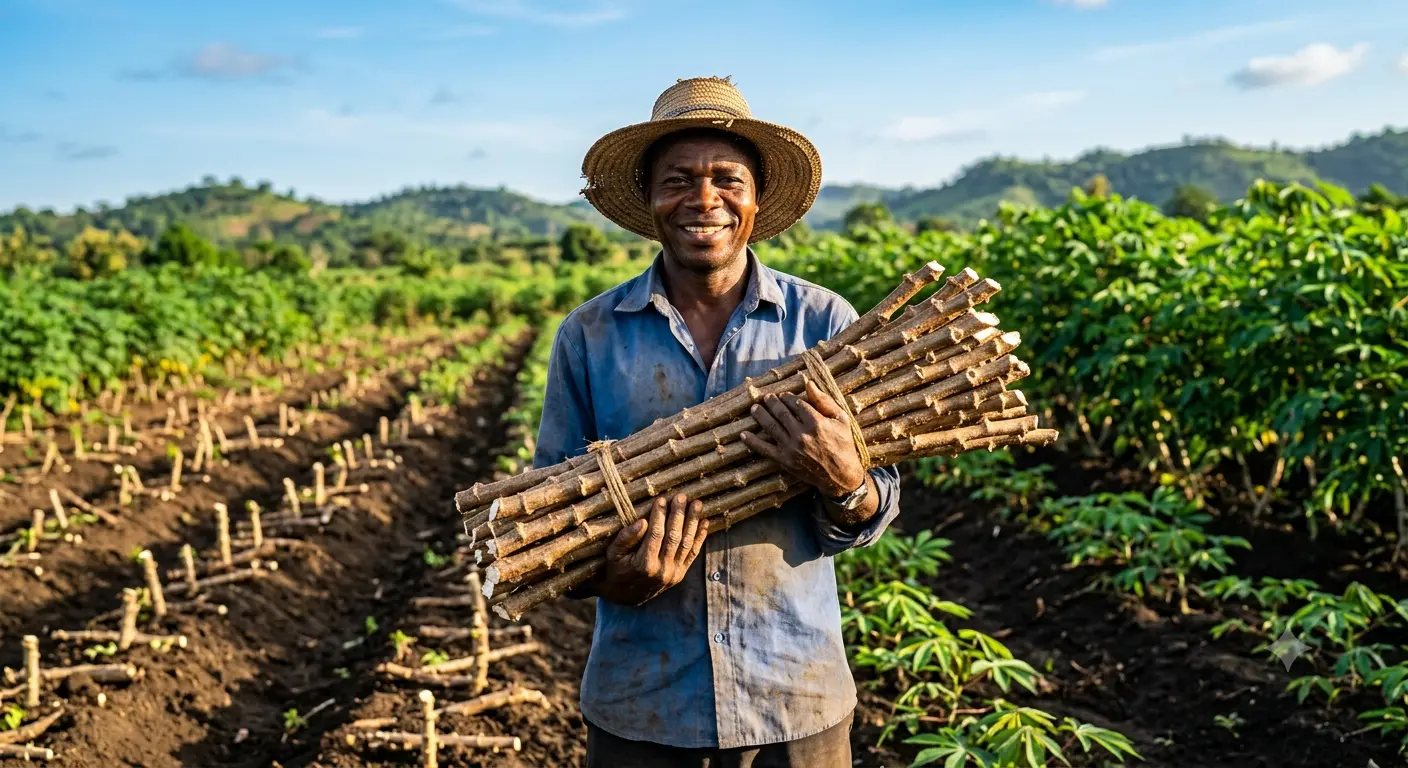
- Cassava stems (per hectare, approximately 5,000 – 6,000 cuttings): $30 – $70
- Improved variety stems cost more but deliver significantly better yields
Inputs and Labour
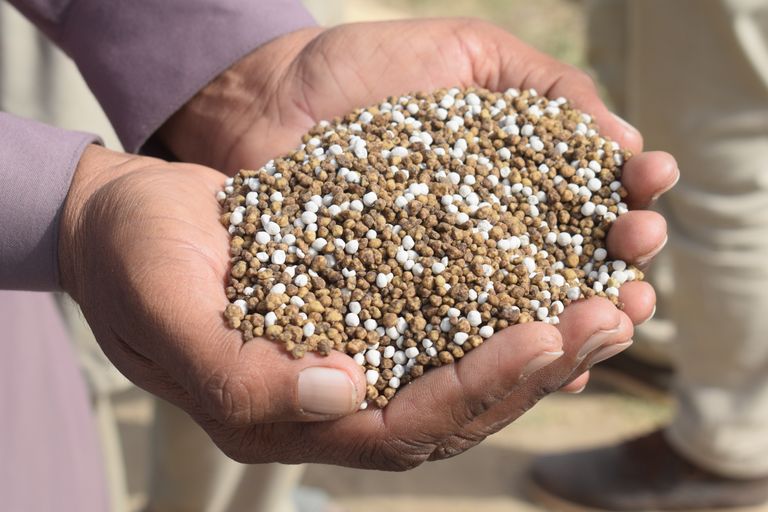
- Fertiliser (NPK + potassium, optional but recommended): $60 – $120
- Herbicides and pesticides: $30 – $60
- Planting labour: $40 – $80
- Weeding (2–3 times during the season): $60 – $100
Harvesting and Post-Harvest
- Harvesting labour: $60 – $100
- Transportation to market or processor: $30 – $80
Total Estimated Cost Per Hectare
$400 – $900 USD per hectare, depending on input intensity, labour costs in your area, and whether you own or lease land. Farmers using family labour and own-saved stems can bring this down considerably.
Lease costs, where applicable, typically add another $80 – $200 per hectare per season, depending on land quality and location.
Realistic Yield Expectations Per Acre and Hectare
Yield is where cassava farming gets exciting — and where a lot of farmers leave serious money on the table by using low-quality stems and skipping basic agronomic practices.
Average Yields
- Traditional/unimproved varieties: 8 – 12 tonnes per hectare
- Improved varieties with good management: 20 – 35 tonnes per hectare
- Research station conditions (optimal): up to 50 tonnes per hectare
In practical on-farm conditions, most well-managed smallholder plots using improved varieties average around 18 – 25 tonnes per hectare. That’s a realistic target if you’re using certified stems, applying fertiliser, and controlling weeds during the critical first 3 months.
Per acre, expect roughly 7 – 10 tonnes under good management with improved varieties.
Harvest timing also matters. Cassava harvested at 12 months will typically weigh less than the same plant harvested at 18 months. Many farmers targeting fresh root markets harvest early, while those processing into starch or garri often wait longer for maximum starch content.
Revenue and Profit Breakdown
Now for the part everyone wants to see. Let’s run a realistic profit scenario for a 1-hectare farm using improved varieties and moderate inputs.
Scenario: 1 Hectare, Improved Variety, Fresh Root Sale
- Yield: 20 tonnes
- Farm-gate price per tonne (fresh roots): $60 – $100 (varies by region and season)
- Gross Revenue: $1,200 – $2,000
- Total Production Cost: $500 – $700
- Net Profit: $500 – $1,300 per hectare per cycle
Scenario: Processing into Garri (Value Addition)
This is where returns improve dramatically. One tonne of fresh cassava roots yields approximately 250–300kg of dry garri. If garri sells at $0.60 – $1.00/kg in local markets:
- 20 tonnes of roots → approximately 5,000 – 6,000kg of garri
- Gross Revenue from garri: $3,000 – $6,000
- Processing costs (firewood, labour, equipment rental, bags): $600 – $1,000
- Net Profit (processed): $1,700 – $4,300 per hectare
The numbers change again if you scale to multiple hectares. A 5-hectare operation with processing capability can realistically generate $8,000 – $20,000 net profit per cycle — a transformative income level in most rural African contexts.
Return on Investment (ROI) for fresh root sales typically ranges from 70% to 180%, and for processed cassava products, it can exceed 300% with efficient operations.
Best Cassava Varieties for High Yield
Your choice of variety will probably have the single biggest impact on your yield and income. Improved varieties released through IITA (International Institute of Tropical Agriculture) and national research institutions have transformed what’s possible on African farms.
Top Recommended Varieties
- TME 419 – One of the most widely adopted in Nigeria; high yield, resistant to cassava mosaic disease
- TMS 30572 – High starch content, excellent for processing
- IITA TMS I92/0326 – Early bulking, good for markets wanting quick turnover
- Kibandameno – Popular in East Africa, especially Tanzania and Kenya
- Around 2000 series (e.g., 2000882) – High-yielding, drought-tolerant options gaining ground across multiple countries
Always source stems from certified seed multipliers or agricultural extension offices. Planting disease-infected or low-quality stems is the most common and most costly mistake new cassava farmers make.
Step-by-Step Cassava Farming Process
1. Site Selection and Land Preparation
Choose well-drained land with good organic matter content. Avoid waterlogged areas — cassava roots will rot. Clear the land, plough to at least 25cm depth, and form ridges or mounds to encourage deep root development.
2. Selecting and Preparing Cuttings
Use healthy stems that are 6–8 months old. Cut them into segments of 25–30cm, each with at least 5 nodes. Treat cuttings with fungicide before planting to reduce rot risk.
3. Planting
Plant at the start of the rainy season for rain-fed farms. Space plants at 1m × 1m for high density or 1m × 1.5m for moderate density. Insert cuttings at a 45-degree angle or vertically, about 5–10cm deep. Avoid planting horizontally as it reduces emergence rates.
4. Fertilisation
Apply NPK (15-15-15) at 6–8 weeks after planting, and a top dressing of potassium at 3–4 months. Cassava responds particularly well to potassium, which drives tuber filling.
5. Weed Control
The first 3 months are critical. Cassava establishes slowly and is easily outcompeted by weeds early on. Weed twice during this window — either manually or with herbicides. After canopy closure, the crop largely suppresses weeds itself.
6. Pest and Disease Management
Monitor for cassava mosaic disease, cassava brown streak disease, whiteflies, and mealybugs. Use resistant varieties and remove and destroy infected plants promptly to prevent spread.
7. Harvesting
Harvest between 9 and 24 months depending on variety and market needs. Dig carefully to avoid damaging the roots. Fresh roots deteriorate quickly — they must reach processors or markets within 24–48 hours unless you’re using wax coating or other post-harvest preservation methods.
Common Challenges and How to Overcome Them
Cassava farming isn’t without its hurdles. Here are the ones that catch farmers most off guard — and how to navigate them.
Post-Harvest Deterioration
Fresh cassava roots begin to deteriorate within 48–72 hours of harvest. Plan your harvest schedule around your market arrangements. If selling fresh, have buyers or transporters lined up before you dig.
Price Volatility
Cassava prices can drop significantly during peak harvest periods when supply floods the market. Mitigate this by staggering your planting across different dates, or by investing in simple processing equipment to convert roots into shelf-stable products when fresh prices are low.
Disease Pressure
Cassava mosaic and brown streak diseases can devastate yields. The most effective defence remains using disease-resistant certified varieties and sourcing clean planting material.
Limited Access to Finance
Many smallholders struggle to access credit for inputs. Explore cooperative models where farmers pool resources and access group loans, or look into government agricultural support schemes like Nigeria’s Anchor Borrowers’ Programme.
Selling Your Cassava: Markets and Pricing
The cassava market in Africa operates across several distinct channels, each with different price points and requirements.
- Local fresh markets: Lowest prices, quickest turnaround, no processing required
- Garri and fufu processors: Mid-range prices, pay based on starch content and quality
- Industrial starch factories: Consistent demand, larger volumes required, often contract-based
- Animal feed manufacturers: Growing market, particularly for cassava peels and chips
- Export (cassava flour, starch): Highest value, requires certification, consistent quality, and scale
Building relationships with processors and off-takers before you plant is one of the smartest things you can do. A guaranteed buyer changes your entire risk profile.
Frequently Asked Questions
How long does cassava take to mature?
Most varieties are ready for harvest between 9 and 18 months, though some industrial varieties can be left in the ground up to 24 months for maximum yield and starch content.
How many bags of cassava can I get per acre?
With improved varieties and good management, you can expect 150 to 250 bags (50kg each) per acre — translating to roughly 7.5 to 12.5 tonnes per acre.
Is cassava farming profitable in Africa?
Yes, particularly when farmers add value through processing. Fresh root farming is profitable but value-added processing (garri, starch, flour) significantly multiplies returns.
What is the best fertiliser for cassava?
NPK 15-15-15 applied at planting, followed by potassium-rich fertiliser at 3–4 months, gives consistent results. Organic matter and compost also improve soil structure and long-term productivity.
Can cassava be grown without irrigation?
Yes. Cassava is one of the most drought-tolerant staple crops available. Rain-fed cultivation is the norm across Africa. However, supplemental irrigation during dry spells can protect yields during establishment.
What are the main uses of cassava in Africa?
Cassava is used as food (garri, fufu, lafun, tapioca), animal feed, industrial starch, ethanol, and increasingly as a wheat flour substitute in commercial baking.
Final Thoughts
Cassava farming in Africa has moved well beyond the survival crop it once was. Today, it sits at the intersection of food security and agribusiness opportunity, offering farmers and investors a product with deep cultural roots, growing industrial demand, and genuine profit potential.
The key is approaching it with intention. Know your costs. Choose the right variety. Build market relationships before you plant. And where possible, add value through processing — because that’s where the real money lives.
Farming is never without risk, but cassava’s resilience, versatility, and expanding market make it one of the more dependable agricultural bets available on the continent right now. Whether you’re starting with one hectare or planning a 50-hectare commercial operation, the fundamentals in this guide give you a solid foundation to build on.
The land is ready. The market is growing. The question is whether you’re ready to plant.A bright, documentary-style photograph of an African farmer in his 40s standing in a sunlit cassava field. He wears a faded work shirt and a wide-brimmed straw hat, with a proud, hopeful smile as he looks directly at the camera. He holds a bundle of healthy cassava stems tightly against his chest — each stem about 2–3 feet long, thick, woody, with cleanly cut ends and visible healthy nodes (the small bumps where new shoots will sprout). Behind him, freshly tilled rows of dark soil stretch into the background, with green cassava plants already sprouting in the distance. Blue sky with light clouds, warm golden-hour lighting, sharp focus on the stems and farmer’s face, vibrant colors.African farmer holding a bundle of healthy cassava stems with nodes, ready for planting