Sustainable Livestock Breeding: Balancing Eco-Friendly Meat and Dairy Production
For decades, the conversation around meat and dairy consumption has felt incredibly polarized. On one side, we are told that animal agriculture is a leading driver of environmental strain, resource depletion, and carbon emissions. On the other side, meat and dairy remain vital sources of high-quality protein, micronutrients, and economic livelihood for billions of people across the globe.
But what if we didn’t have to choose between feeding the planet and saving it? Enter the world of sustainable livestock breeding. This isn’t about eliminating animal agriculture; it is about fundamentally reinventing it. By combining cutting-edge genetic insights with age-old ecological principles, forward-thinking farmers are proving that we can produce premium meat and dairy while actively healing the land.
Whether you are a conscious consumer trying to understand where your food comes from, a small-scale homesteader, or an aspiring livestock producer, shifting toward eco-friendly breeding practices is the ultimate win-win. Let’s break down exactly how sustainable breeding works, why it matters, and how it is reshaping the future of food.
Table of Contents
- 1. Defining Sustainable Livestock Breeding
- 2. The Eco-Friendly Impact: Cutting Carbon and Resource Use
- 3. Smart Genetics: Breeding for Resilience, Not Just Size
- 4. Rotational Grazing and Land Regeneration
- 5. Ethical Standards: Happy Animals Produce Better Food
- 6. Frequently Asked Questions
- 7. Wrap-Up: Supporting a Greener Food System
1. Defining Sustainable Livestock Breeding
In traditional industrial farming, the primary goal has long been pure, unadulterated volume. Animals were bred almost exclusively to grow as fast as humanly possible, produce massive amounts of milk, or yield maximum muscle mass. While this approach dramatically increased food production, it frequently came at a steep cost to animal health, genetic diversity, and the environment.
Sustainable livestock breeding flips this script. It is an intentional approach to animal husbandry that seeks a harmonious balance between three core pillars:
- Environmental Stewardship: Reducing the carbon footprint, methane output, water consumption, and land degradation associated with herds.
- Economic Viability: Ensuring that farmers can maintain profitable operations without relying on heavy chemical inputs or unsustainable feed subsidies.
- Animal Well-being: Prioritizing structural soundness, natural disease resistance, and long, healthy lifespans for the breeding stock.
By shifting the focus from “maximum output” to “maximum efficiency and resilience,” sustainable breeding ensures that agriculture can continue to feed human generations to come without bankrupting our natural resources.
2. The Eco-Friendly Impact: Cutting Carbon and Resource Use
One of the loudest criticisms of livestock farming is its contribution to greenhouse gases, particularly methane from ruminants like cattle and sheep. While critics often suggest eliminating animals entirely, sustainable breeders are tackling the problem right at the biological source.
Believe it or not, the environmental footprint of an animal is heavily tied to its digestive efficiency. Animals that process feed more effectively naturally produce fewer waste products and lower emissions per pound of meat or gallon of milk. Furthermore, selecting for animals that reach maturity efficiently on native, local grasses—rather than energy-intensive imported grain—massively slashes the carbon footprint associated with long-distance feed transport.
Additionally, sustainable operations view animal waste not as a pollution hazard, but as a vital resource. When integrated into a balanced ecosystem, manure serves as a premium, organic fertilizer that restores vital nutrients back to the soil, entirely eliminating the need for fossil-fuel-intensive synthetic fertilizers.
3. Smart Genetics: Breeding for Resilience, Not Just Size
Modern sustainable breeding relies heavily on a return to genetic diversity. Industrial farming heavily favored a tiny handful of highly specialized breeds, which inadvertently wiped out the natural resilience built into heritage livestock lines. Sustainable breeders are actively reversing this trend.
Key Genetic Traits Targeted for Eco-Friendly Farming:
- Natural Disease and Parasite Resistance: By selecting parents that inherently fight off local pests and sicknesses, farmers can drastically cut down their reliance on antibiotics and chemical dewormers. This protects local water systems from chemical runoff and combats the global threat of antibiotic resistance.
- Climate Adaptability: As weather patterns become increasingly unpredictable, matching the right animal to the right climate is vital. Breeding animals that naturally tolerate extreme heat or damp conditions ensures lower stress, fewer losses, and less reliance on energy-intensive barn cooling or heating systems.
- Feed Conversion Efficiency: This measures how effectively an animal converts a pound of forage into actual growth. Superior feed efficiency means the animal requires less total land and water to thrive, minimizing the competitive pressure on global crop resources.
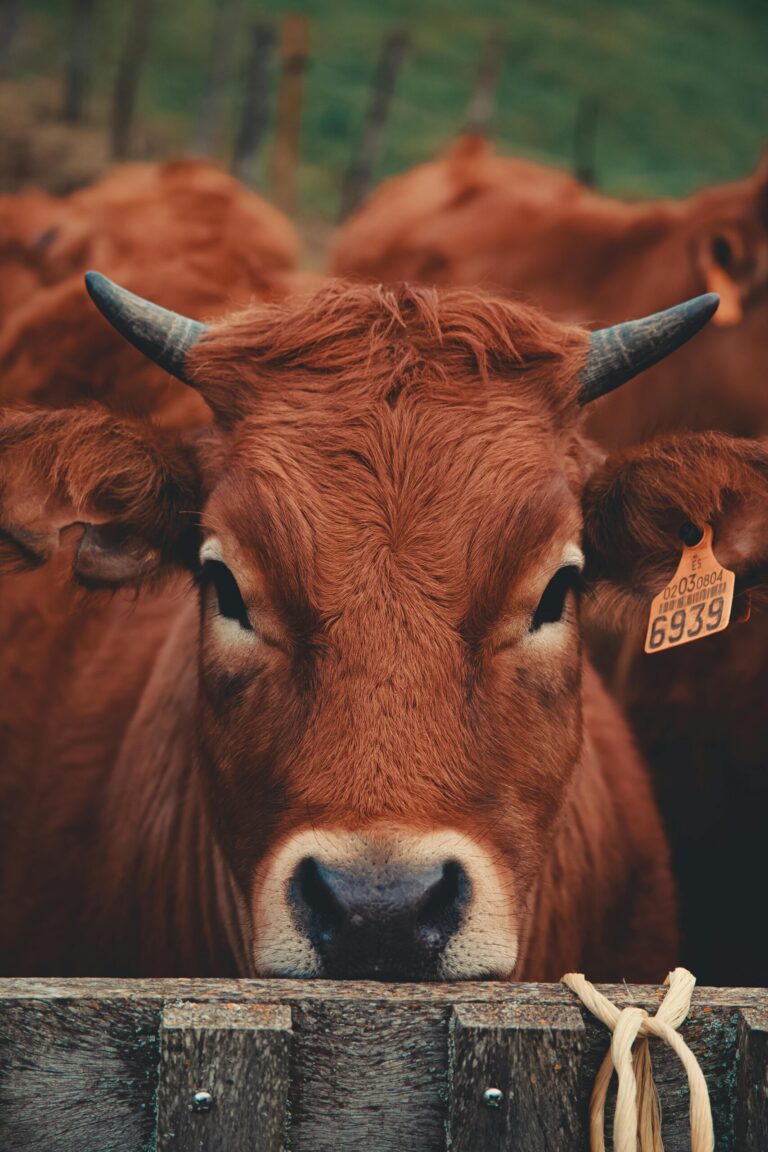
Real-World Example: Many regenerative cattle ranchers are shifting away from massive, oversized breeds in favor of smaller, hardier heritage cattle. These medium-sized animals often forage more aggressively on marginal weeds, calve more easily without human intervention, and maintain their body weight beautifully on grass alone.
4. Rotational Grazing and Land Regeneration
You cannot talk about sustainable livestock breeding without talking about the land they live on. True sustainability requires integrating resilient genetics with regenerative pasture management, often known as managed intensive rotational grazing.
In nature, wild herds of herbivores stick tightly together for safety and move constantly across plains, grazing an area heavily before moving on and leaving it to rest for months. Rotational grazing mimics this natural rhythm. Farmers use movable fencing to confine a herd to a small section of pasture for a short time, forcing them to graze evenly rather than selectively picking out the tastiest plants.
Once the section is grazed down, the herd is moved to a fresh plot, allowing the grazed plants plenty of time to grow deep, robust roots and sequester carbon from the atmosphere back into the soil. This cycle naturally builds organic soil matter, improves water retention, and transforms livestock from a potential environmental liability into an active tool for environmental healing.
5. Ethical Standards: Happy Animals Produce Better Food
There is an undeniable, direct link between animal welfare and food quality. Animals raised in low-stress environments, with ample room to express their natural behaviors—like rooting, scratching, and grazing—boast significantly stronger immune systems and lower cortisol (stress hormone) levels.
When livestock are bred for functional soundness rather than hyper-growth, they experience far fewer joint problems, metabolic disorders, and birthing difficulties. From a purely culinary perspective, grass-finished, sustainably raised meat frequently features a superior nutritional profile, boasting higher levels of heart-healthy omega-3 fatty acids and beneficial antioxidants compared to conventionally raised alternatives.
Ultimately, treating livestock with deep respect and prioritizing their biological well-being isn’t just the right ethical choice; it is the cornerstone of producing clean, nutrient-dense food that consumers can feel truly good about purchasing.
6. Frequently Asked Questions
Is sustainable meat and dairy production actually scalable?
Yes. While it requires more thoughtful management and a shift away from concentrated factory farming models, combining sustainable genetics with regional rotational grazing can yield highly productive food systems. It focuses on maximizing the yield of a specific piece of land without destroying its future capacity.
Does sustainable livestock breeding mean meat will cost more?
In the current market, sustainably produced meat and dairy can carry a premium price tag because it reflects the true cost of responsible land care and slower, natural growth cycles. However, as supply chains adapt and consumer demand shifts, these practices become highly cost-efficient by reducing expensive inputs like synthetic feed, chemical fertilizers, and veterinary medications.
What are heritage breeds, and why are they important for sustainability?
Heritage breeds are traditional livestock lines that were carefully bred by our ancestors before industrial agriculture took over. They are critically important because they possess deep genetic diversity, outstanding maternal instincts, and a natural ability to thrive in local, rugged environments without heavy human intervention.
How can I identify genuinely sustainable meat and dairy at the grocery store?
Look for transparent third-party certifications on packaging, such as “Certified Humane,” “American Grassfed,” or “Regenerative Organic Certified.” Whenever possible, purchasing directly from local farmers who welcome questions about their breeding and grazing practices is the best way to ensure your food aligns with your values.
7. Wrap-Up: Supporting a Greener Food System
The path to a genuinely green future doesn’t require us to completely abandon our culinary traditions or strip vital food sources away from a growing global population. Instead, it invites us to look closer at the natural systems that sustained our planet for millennia and wed them to modern ecological science.
Sustainable livestock breeding offers a hopeful, incredibly practical blueprint for the future of agriculture. By championing resilient genetics, restoring our soils through rotational grazing, and prioritizing animal welfare, we can enjoy high-quality meat and dairy while actively leaving our planet in better shape than we found it. Whether you are a producer adjusting your herd’s genetic focus or a shopper voting with your wallet at the market, every single step toward sustainability counts. Let’s cultivate a food system we can all be proud of.