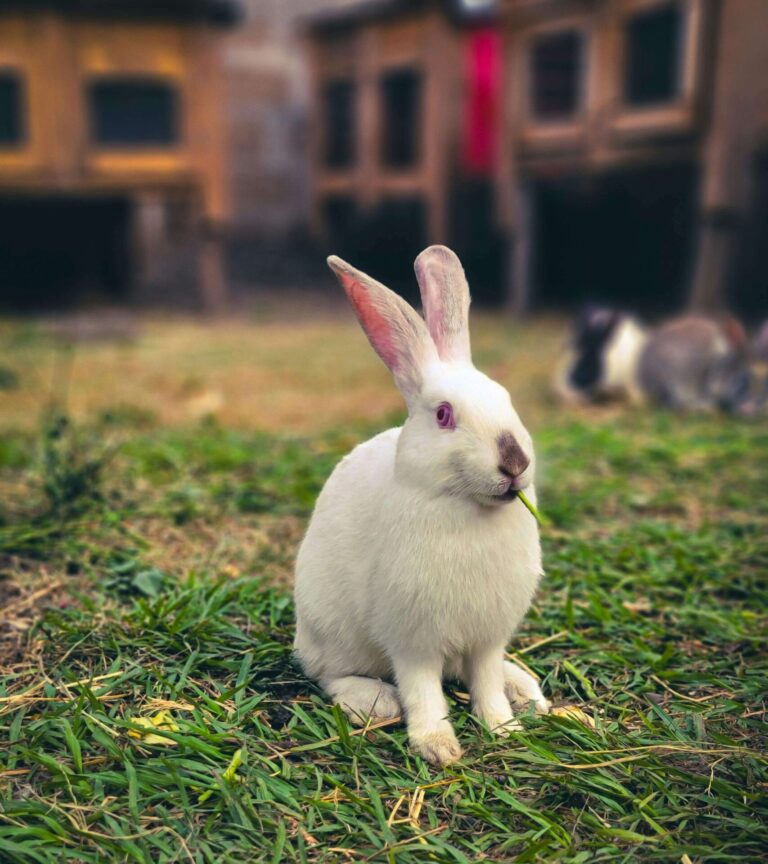
10 Common Rabbit Diseases and Their Prevention
There’s a hard truth every rabbit farmer eventually learns: disease, not predators or poor breeding, is usually what does the most damage to a rabbitry. A single outbreak of coccidiosis or a bout of respiratory infection can wipe out weeks of careful breeding and feeding work in a matter of days. The frustrating part is that most of these diseases are preventable with relatively simple management practices.
The challenge is that many rabbit diseases share overlapping symptoms in their early stages — lethargy, reduced appetite, diarrhea — which makes quick identification difficult for beginners. By the time visible signs become obvious, the disease has often already spread through the herd.
This guide walks through the ten diseases that cause the most losses for rabbit farmers, what causes them, how to spot them early, and most importantly, how to prevent them from taking hold in the first place.
Table of Contents
- Why Prevention Beats Treatment in Rabbit Farming
- 1. Coccidiosis
- 2. Snuffles (Pasteurellosis)
- 3. Sore Hocks
- 4. Ear Mites and Mange
- 5. Myxomatosis
- 6. Viral Hemorrhagic Disease (VHD)
- 7. Bloat and Digestive Upset
- 8. Ringworm
- 9. Mastitis
- 10. Heat Stress and Heatstroke
- General Biosecurity Practices That Prevent Most Diseases
- Frequently Asked Questions
- Final Thoughts
Why Prevention Beats Treatment in Rabbit Farming
Rabbits are small, fast-breeding animals, which means diseases can spread through a colony far quicker than in larger livestock. They also tend to hide signs of illness until a condition is fairly advanced, a survival instinct inherited from being prey animals in the wild that masks symptoms from predators — and, unfortunately, from farmers too.
Combine that with the fact that veterinary access in many rural African areas is limited, and treatment often arrives too late or isn’t available at all. This is exactly why prevention, through hygiene, housing, nutrition, and observation, matters so much more in rabbit farming than in almost any other livestock enterprise.
1. Coccidiosis
Coccidiosis is arguably the single biggest disease threat to rabbit farms across Africa, particularly in humid, poorly drained housing. It’s caused by a parasite that attacks either the intestines or the liver, and it spreads through contaminated feed, water, or bedding.
Symptoms include diarrhea, bloated bellies, poor growth, and in severe cases, sudden death, especially in young kits just past weaning.
Prevention: Keep housing dry and clean, avoid feeding rabbits directly off the ground, and ensure water sources stay free of fecal contamination. Many farmers also use coccidiostat supplements in feed during high-risk periods, particularly around weaning age.
2. Snuffles (Pasteurellosis)
Snuffles is a bacterial respiratory infection that causes sneezing, nasal discharge, and labored breathing. It’s highly contagious and can quickly move through a rabbitry, especially in poorly ventilated housing where ammonia buildup irritates the respiratory tract and makes rabbits more susceptible.
Prevention: Good ventilation is the single most effective defense. Avoid overcrowding, clean cages regularly to reduce ammonia from urine, and isolate any rabbit showing nasal discharge immediately to prevent spread to the rest of the herd.
3. Sore Hocks
This condition isn’t infectious, but it’s incredibly common, particularly in heavier breeds like the Flemish Giant kept on wire flooring. It shows up as raw, inflamed patches on the bottom of the feet, caused by constant pressure against unsuitable flooring.
Prevention: Use appropriately gauged wire mesh, and add a small solid resting mat or board in each cage so rabbits can periodically rest their feet off the wire. Keeping cages clean also reduces the risk of secondary infection in already irritated skin.
4. Ear Mites and Mange
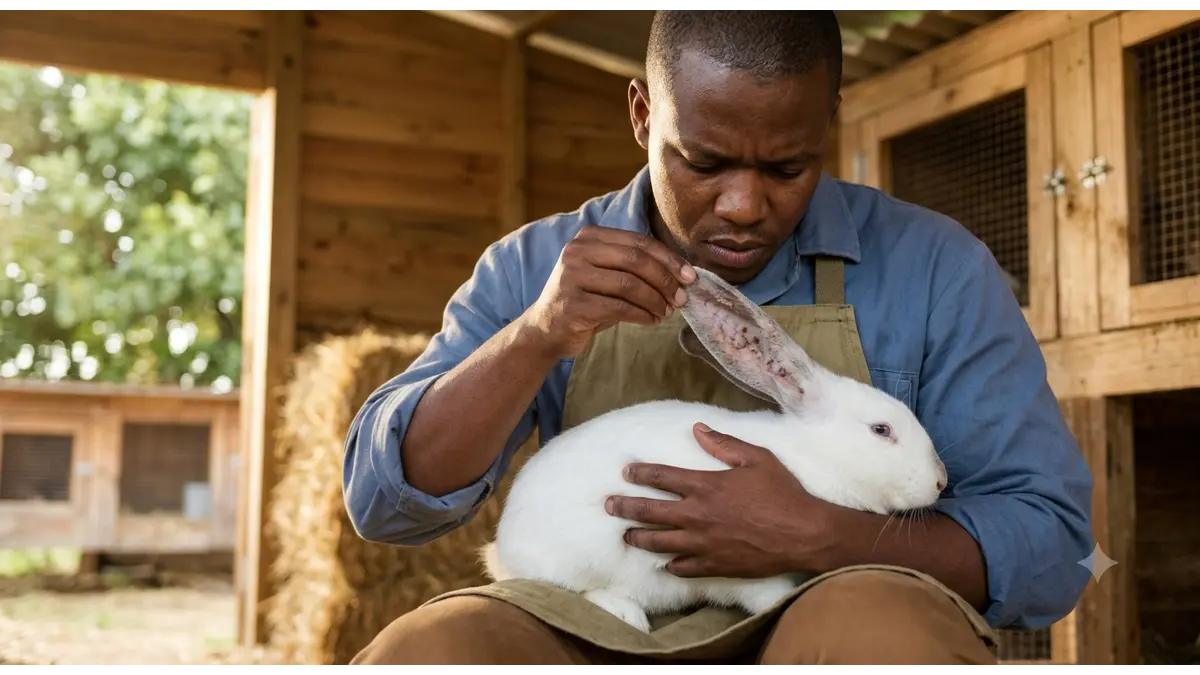
Ear mites cause crusty, scabbed buildup inside the ears, along with intense itching that leads rabbits to scratch and shake their heads constantly. Left untreated, infestations can spread to other parts of the body and cause secondary skin infections.
Prevention: Regularly inspect ears during routine handling, keep housing clean, and quarantine any newly introduced rabbits for at least two weeks before integrating them with the main herd. Mite infestations spread quickly through direct contact, so early isolation is critical.
5. Myxomatosis
Myxomatosis is a viral disease spread primarily by biting insects like fleas and mosquitoes. It causes swelling around the eyes, face, and genitals, and is often fatal, particularly in unvaccinated populations.
Prevention: Insect control around housing is the main defense — this includes clearing standing water, using netting on open-sided structures, and maintaining good general hygiene to reduce insect attraction. Where vaccines are available and affordable, they offer strong additional protection.
6. Viral Hemorrhagic Disease (VHD)
VHD is one of the most lethal rabbit diseases, often killing apparently healthy rabbits within a day or two of infection with little warning. It spreads through direct contact, contaminated equipment, and even through contact with infected carcasses or droppings.
Prevention: Strict biosecurity is essential — disinfect equipment between uses, avoid introducing rabbits from unknown health backgrounds, and quarantine new stock. Vaccination, where accessible, provides strong protection and is worth the investment for commercial operations.
7. Bloat and Digestive Upset
Digestive issues, including bloat and diarrhea, are often linked to sudden feed changes, low-fiber diets, or contaminated feed and water. Rabbits have sensitive digestive systems, and abrupt dietary shifts can trigger serious imbalances in gut bacteria.
Prevention: Introduce new feeds gradually, ensure diets include adequate fiber from hay or forage, and avoid feeding spoiled or moldy material. Consistent feeding schedules also help maintain stable gut health.
8. Ringworm
Despite the name, ringworm is a fungal infection, not a parasite. It causes circular patches of hair loss and flaky skin, and it’s notably contagious, capable of spreading between rabbits and even to humans handling infected animals.
Prevention: Keep housing dry, since fungal spores thrive in damp conditions, and isolate any rabbit showing skin lesions immediately. Disinfecting cages and equipment regularly helps prevent spore buildup over time.
9. Mastitis
Mastitis affects nursing does, causing painful, swollen, sometimes discolored mammary glands. It’s usually triggered by bacterial infection entering through small cracks or injuries in the skin, often worsened by dirty nesting conditions.
Prevention: Keep nesting boxes clean and dry, monitor does closely during nursing periods, and address any signs of swelling or discomfort early before infection sets in deeply. Adequate nutrition also supports the doe’s immune function during the demanding nursing period.
10. Heat Stress and Heatstroke
Not technically a disease, but heat stress causes enough losses across African rabbitries that it deserves a place on this list. Rabbits struggle to regulate body temperature in extreme heat, and prolonged exposure can lead to organ failure and death, particularly in pregnant does and young kits.
Prevention: Provide ample shade, ensure good airflow around housing, and offer access to cool, clean water at all times. During particularly hot periods, frozen water bottles placed in cages can help lower the surrounding temperature.
General Biosecurity Practices That Prevent Most Diseases
While each disease above has specific triggers, a handful of core biosecurity habits dramatically reduce overall disease risk across the board:
- Quarantine new rabbits for at least two weeks before introducing them to the main herd.
- Disinfect equipment, cages, and feeding tools regularly, especially between different groups of rabbits.
- Limit visitor access to breeding and nesting areas, since diseases can be carried in on shoes and clothing.
- Maintain consistent feeding and watering schedules to reduce digestive stress.
- Observe rabbits daily, watching for subtle changes in appetite, droppings, or behavior that often signal illness before it becomes severe.
Frequently Asked Questions
What is the most common cause of death in young rabbits?
Coccidiosis is widely considered the leading cause of death in young rabbits, particularly around weaning age when their immune systems are still developing.
Can rabbit diseases spread to humans?
Most rabbit diseases are species-specific, but a few, like ringworm, can transfer to humans through direct contact. Basic hygiene, like washing hands after handling sick animals, reduces this risk significantly.
How often should rabbit housing be disinfected?
A thorough disinfection every few weeks is a reasonable baseline, with more frequent cleaning of high-contact areas like feeders and nesting boxes.
Are vaccines available for rabbit diseases in Africa?
Availability varies by region. Myxomatosis and VHD vaccines exist and are used in some commercial operations, though access can be limited in rural areas, making biosecurity and hygiene even more important.
How can I tell if a rabbit is sick before symptoms become severe?
Watch for subtle changes such as reduced appetite, lower water intake, smaller or fewer droppings, and reduced activity. Daily observation is the best early-warning tool available to farmers.
Final Thoughts
Disease management in rabbit farming isn’t about reacting quickly when something goes wrong — it’s about building habits that prevent things from going wrong in the first place. Clean housing, good ventilation, careful quarantine practices, and daily observation cost very little compared to the losses a single outbreak can cause.
The farmers who consistently succeed with rabbits aren’t necessarily the ones with the fanciest equipment. They’re the ones who pay close attention, catch small problems early, and treat prevention as a daily habit rather than an afterthought.